With the fresh blanket of snow much of Minnesota just received, it’s likely that the last thing on your mind is winter tree care. But winter is actually the best time for many types of tree care, including disease control and pruning. Here’s Urban Tree & Landscape’s guide to winter tree care.
Oak and Elm Tree Disease Control in Winter Tree Care
During the winter months in Minnesota, all our trees and shrubs are dormant. So are the insects and pathogens that cause tree disease. This makes winter the safest season to work on species that are susceptible to certain diseases.
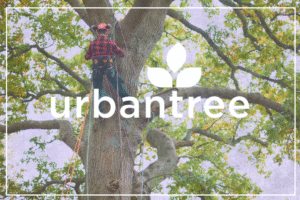
Winter Tree Care is the best time to prune oak and elm trees. The insects and fungi that cause oak wilt and Dutch elm disease are dormant. If you have any oak or elm trees that need pruning, now is the time. Warmer weather is just around the corner, reawakening insects and fungi. If you wait too long, you’ll be waiting until the trees go dormant again in late fall.
Preventing Emerald Ash Borer Damage in Winter
The dreaded emerald ash borer beetle is less likely to spread in the winter. The beetles and their larvae are dormant during the colder months. During warmer months, the insects are active. If you trim and remove a tree during this time, it increases the chance the pests will infect more trees. Sometimes this is necessary, but avoiding moving ash tree debris in the Winter Tree Care is safer for the health of your urban forest, especially for trees that are not already infested.
Tree Pruning and Removal in Winter
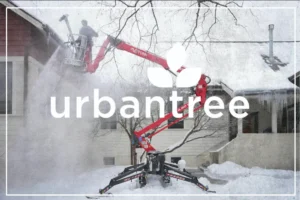
Winter is a great time to prune or remove trees that are in sensitive landscapes, such as turf grass. In the summer, we need to lay down plywood to prevent our equipment from damaging your yard. When the ground is frozen, we can access your tree without damaging your lawn. We don’t need to put down plywood, skipping a step and saving you money.
Another benefit of the ground being frozen is that you avoid putting any dents and divots in the lawn from branches coming down. The frozen ground also allows for cranes and other pieces of heavy equipment to go onto your driveway without damaging it. The frozen earth beneath your driveway makes it much stronger than it is in the summer.
Pruning Lakeshore Trees in Winter
Sometimes trees located along a lake must come down. If there is enough ice to let us use the lake as a work zone, the savings to you, the client, can be substantial. This window of opportunity doesn’t always exist, and when it does, it is very short. However, when the ice is thicker than 16 inches, we are able to fell trees onto frozen lakes and use Bobcats and small trucks on the ice. We can also use Bobcats to transport debris to a landing rather than attempt to move it up a hill. The cold winter we are experiencing may be an opportunity to have lakeside trees removed for a discount.
How do you take care of a tree plant in the winter?
How do you winterize trees?
· Clear away debris and fallen leaves from around the base of the tree.
· Apply a layer of mulch around the tree, leaving a small gap around the trunk to prevent moisture buildup.
· Water the tree thoroughly before the ground freezes to ensure it has enough moisture for winter.
· Protect young or fragile trees by wrapping them with burlap or using tree wraps.
· Prune any dead or damaged branches to prevent them from snapping under heavy snow or ice.
· Consider using anti-desiccant sprays to protect evergreen trees from drying out.
· Avoid using de-icing salts near the trees, as they can damage the roots and foliage.
Remember to refer to specific guidelines for the tree species you have, as some may have unique winter care requirements.
How do you keep trees from dying in the winter?
What is the best way to protect trees in winter?
If you have any concerns about Your Trees on your property and are Located in the Twin Cities metro area, please Contact Urban Tree and Landscape today at (612) 532-9996 to schedule an appointment.
Internal Links:
- Urban Tree and Landscape Homepage
- Winter Tree Protection
- Tree Trimming and Pruning in Minneapolis and the Twin Cities
- Tree Health Care in Minneapolis and the Twin Cities
External Links:
- Tree Care Industry Association (TCIA) – https://treecareindustryassociation.org/
- International Society of Arboriculture (ISA) – https://www.isa-arbor.com/